

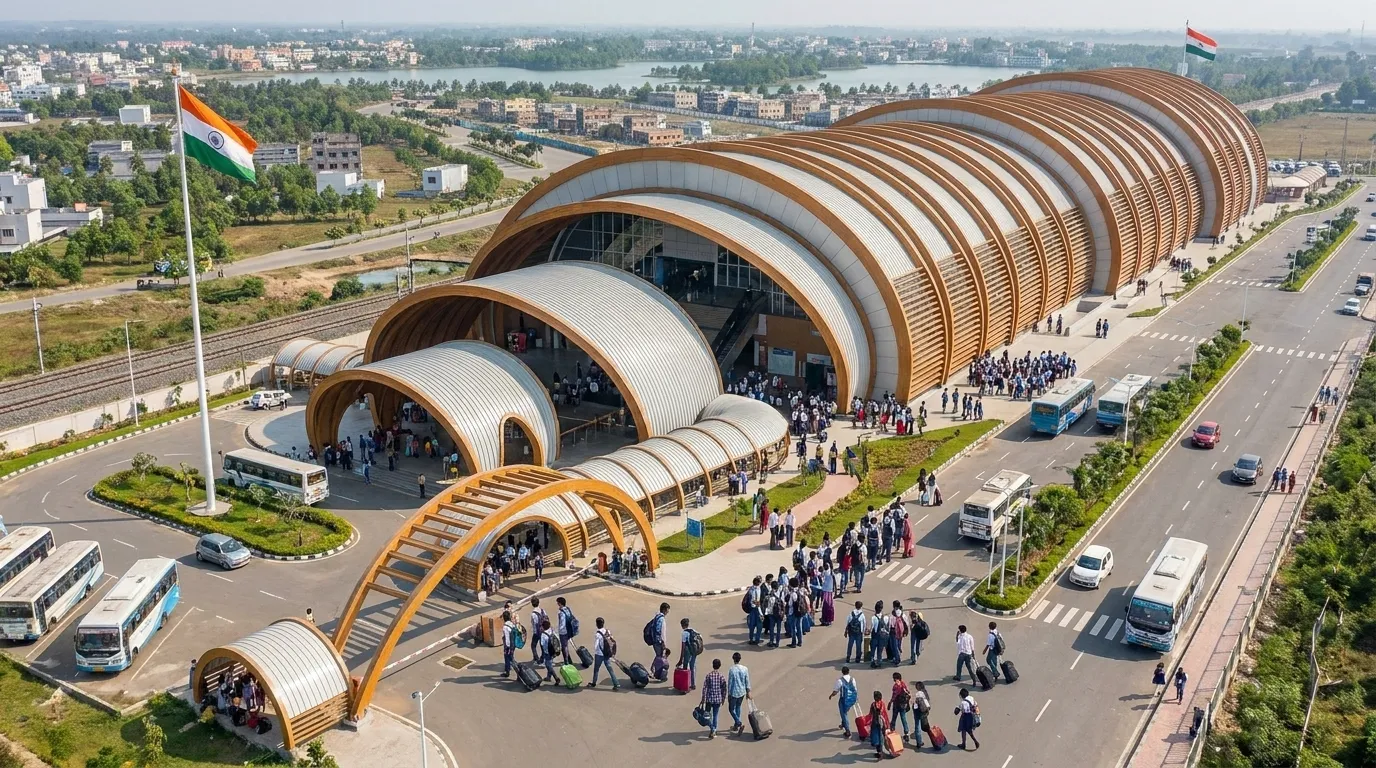
One of the most common messages I get from students who have just been admitted to a Bangladesh medical college is some version of: “Okay, I got my visa,but how do I actually get there?” Google gives you generic tourist advice. Travel agents give you whatever route earns them the most commission. Nobody gives you the actual, lived, student life with luggage, with a tight budget, with the specific stress of travelling to a new country to start medical college.We at SamadMBBS guide you and book your flights and come with you to Bangladesh to make sure you are well settled into your hostel and to be your guardians away from home.
I am from a small town near Nagpur, Maharashtra. Over the last few years of going back and forth between home and Marks Medical College in Mirpur-14, Dhaka, I have used almost every possible and feasible route there is, train plus land border crossing, direct bus services, the fast train option, and flights. This article is the complete, honest version of all of them. I’ll tell you exactly what I do, what it costs, what to expect at each step, and which option makes sense for your specific situation.
A Quick Note on the Maitree Express
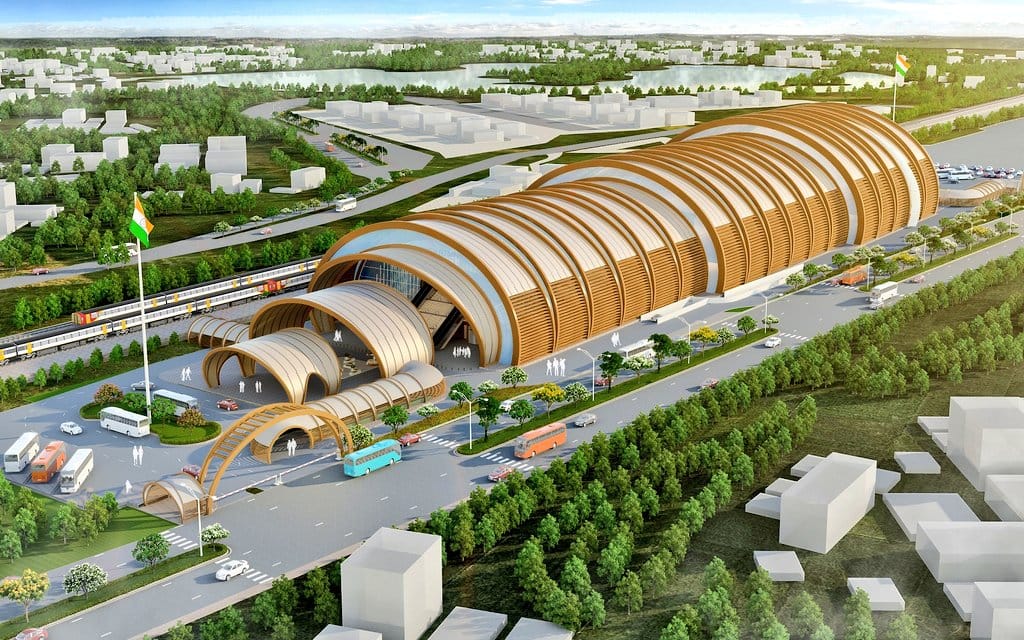
If you’ve been researching this topic, you’ve probably come across the Maitree Express the direct Kolkata-to-Dhaka train that used to be the most popular way for students and families to travel between the two countries.I travelled in it and it was a comfortable journey and affordable, the only problem was that it’s ticket weren’t available online and we had to get it from Kolkata(chitpur) railway station in Kolkata which was not possible unless we planned early. I want to be upfront about this: the Maitree Express, along with the Bandhan Express (Kolkata-Khulna) and Mitali Express (New Jalpaiguri-Dhaka), have been suspended since mid-2024 following the political unrest in Bangladesh, and as of writing this, there is no confirmed timeline for when direct train service will resume between countries.
This means every route I discussed below assumes the Maitree Express is currently not running. I will update this article the moment that changes, because when it does resume, it will genuinely be the single most comfortable option for students with heavy luggage and no border-crossing hassle, no transfers, just one train from Kolkata straight to Dhaka. For now, here’s what actually is available to travel from India to Bangladesh.
Routes to Go from India to Bangladesh
Every route eventually comes down to four broad categories: flying directly, taking a long-distance train to Kolkata and crossing the land border yourself, taking a direct bus service that crosses the border for you, or using a faster train option that requires a bit more planning. I’ll go through each in the order I’d actually recommend them based on budget, luggage, and how much struggle you’re willing to deal with.
Route 1: Train to Kolkata, Then Petrapole-Benapole Border Crossing
This is the route I have used most often, and it is genuinely the cheapest way to do this journey if you’re coming from anywhere in central or western India. Here’s exactly how it goes, step by step.
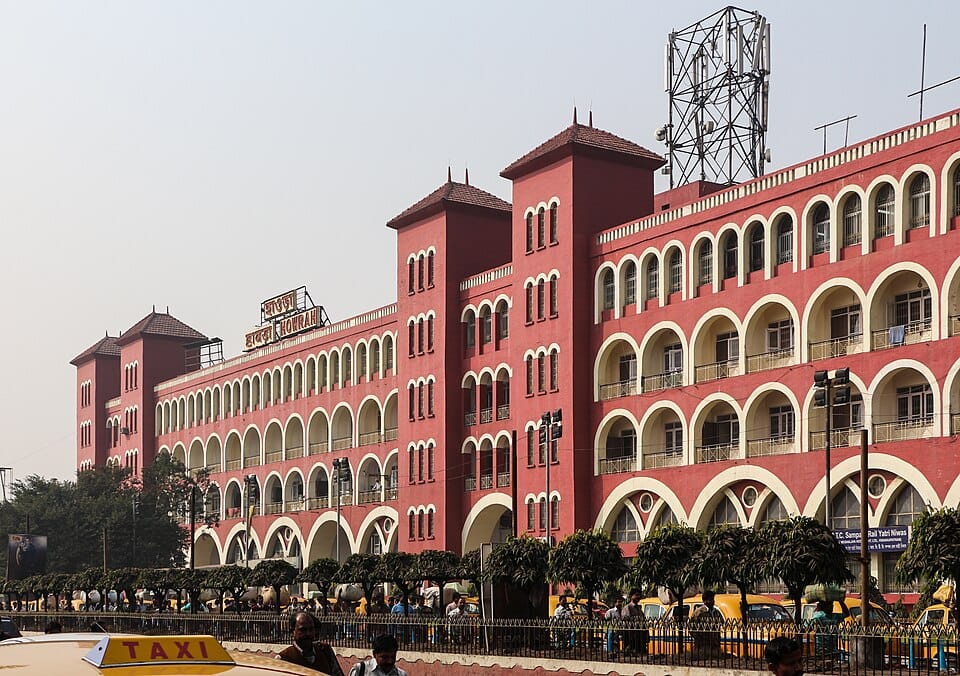
Step 1: Long-Distance Train to Howrah
From Nagpur, I take the Mumbai-Howrah Mail. It’s an overnight journey and reaches Howrah station early in the morning, which is exactly what you want, because it gives you the whole day to get to the border and cross before it closes in the evening at approx 6PM. If you’re coming from Mumbai, Pune, or anywhere along that line, the same train works for you. If you’re coming from Delhi, UP, or Bihar, there are equivalent overnight trains to Howrah or Sealdah like Rajdhani, Vande Bharat that achieve the same thing that is to arrive early morning, have the full day ahead of you.
The reason the timing matters so much is that the Petrapole-Benapole border has operating hours, and you do not want to be crossing in the evening with a backlog of people and limited onward transport on the Bangladesh side. Arriving in Kolkata early morning means you can be at the border by late morning or early afternoon, cross with daylight to spare, and catch an evening bus to Dhaka comfortably.
Step 2: Howrah to Sealdah by Metro
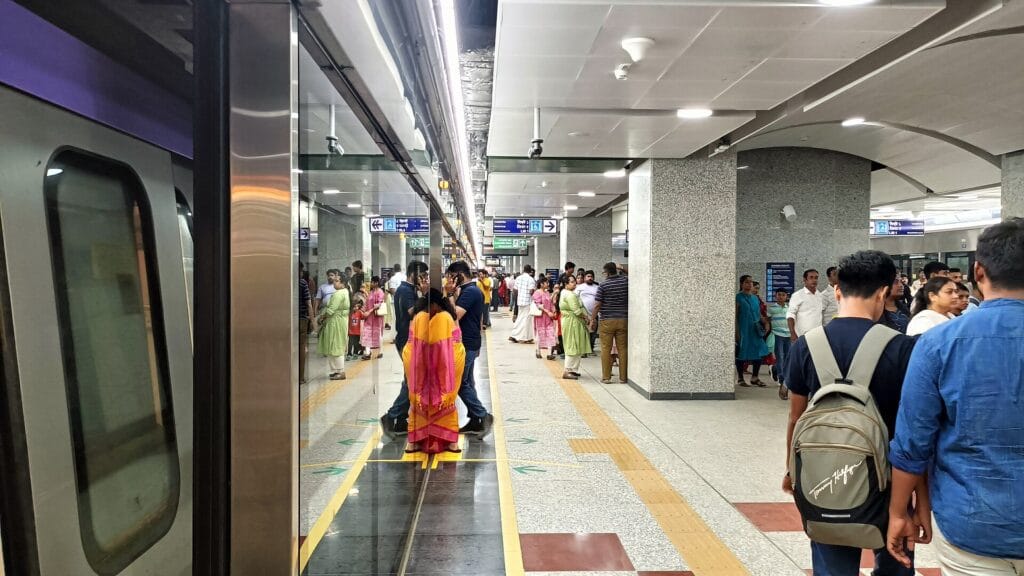
From Howrah, I take the Kolkata Metro to Sealdah station. This surprises a lot of people , they assume a metro with luggage is going to be a nightmare, but honestly, even with a full suitcase and a backpack, it’s manageable, and it is by far the cheapest and fastest way to cross the city. An auto or cab from Howrah to Sealdah during Kolkata traffic can take well over half an hour and cost significantly more. The metro takes a fraction of the time and a fraction of the cost. Just be cool and book the ticket from app or the atvm machines and use escalators, and board the metro towards sealdah.
Step 3: Sealdah to Bangaon by Local Train in ₹20
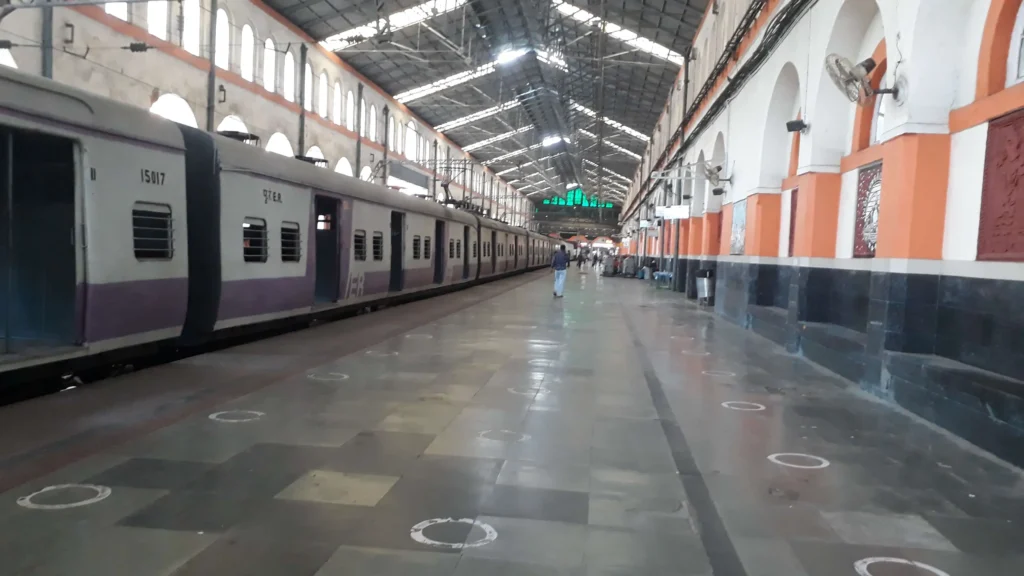
This is where the journey becomes genuinely budget-friendly. From Sealdah, there’s a local train line that runs to Bangaon Junction, and the ticket costs around ₹20. Bangaon is the last major town before the border, and this local train is what most regular cross-border travelers and office goers and not just students use to get there. It’s a regular Bengal local train, so expect it to be crowded, especially during peak hours, but it’s reliable and runs frequently throughout the day and takes approx 2 hours.
Step 4: Bangaon Station to Petrapole Border by Shared Auto, ₹50 Per Person
From Bangaon station, the border itself is about 20 minutes away by road. The standard way to cover this is a shared auto-rickshaw — these run constantly between the station and the border, and the fare is around ₹50 per person. You’ll usually share with three or four other people heading the same way, so there’s rarely a long wait. This is one of those small but well-oiled local transport systems that exists purely because of how much cross-border movement happens here daily.
Crossing the Border: What the Petrapole-Benapole Crossing Actually Looks Like Now
I want to spend some time on this part specifically because if you haven’t done it before, the idea of “crossing a land border” can sound intimidating, and the reality has also changed a lot in recent years.
The Indian side — Petrapole — has been significantly redeveloped. It genuinely feels more like a small airport terminal now than the old-style border crossing people might remember or imagine. There’s a large processing building, organised queues, and importantly for anyone travelling with luggage, trolleys are available for free. You’ll go through Indian customs and immigration here: passport check, exit stamp, and a basic luggage scan. For a student travelling with a couple of suitcases and a backpack, this process is straightforward as long as your documents (passport, visa, college admission documents if asked) are in order and easily accessible.
There is a fair amount of walking involved between the parking/drop-off area, the terminal building, and the actual gate where you exit India and enter the no-man’s-land stretch before Bangladesh immigration. Budget extra time for this, especially if you’re travelling solo with multiple bags. Once you’re through Indian immigration, you walk across to the Bangladesh side Benapole and go through their immigration and customs process: entry stamp, document verification, and another luggage check.
Once you’re through on the Benapole side, you’re officially in Bangladesh and this is where your onward journey to Dhaka begins.
From Benapole to Dhaka — The Bus Journey
Right outside the Benapole border, there are bus counters for multiple operators, and you’ll have a genuine choice of comfort levels depending on your budget. Here’s how they break down:
| Bus Type | Seating Layout | Comfort Level | Approx. Cost |
|---|---|---|---|
| Non-AC | 2×2 | Cheapest option | Lowest |
| AC Economy | 2×2 | AC, standard seats | Moderate |
| AC Business | 2×1 | More legroom, fewer seats per row | Higher |
| AC Sleeper | 2×1 | Lie-flat seats for overnight comfort | Highest |
I usually go with the AC 2×2 when I’m being budget-conscious, but if I’ve had a long travel day already and just want to sleep through the journey, the AC sleeper is worth the extra cost. The buses are run by established Bangladeshi operators and are generally well-maintained, this isn’t an unreliable or sketchy operation, it’s a regular daily service that thousands of people use. And a little tip for you, try to bargain at bus counters…sometimes you can lower upto 500taka. So ticket costing 1500 taka will ultimately cost you upto 1000 taka. But now it’s recommended to book tickets online by any platform like shohoz, bdtickets because seats are less and sometimes you have to wait for a long time and compromise with comfort or go to jessore in local bus and try to get from there, it’s not worth it.
The Journey Itself is 4 to 5 Hours, and Why the Padma Bridge Changed Everything
The bus journey from Benapole to Dhaka takes roughly 4 to 5 hours depending on traffic, and there’s usually one rest stop along the way at a highway restaurant called Sampann, which has become something of a fixture for anyone doing this route. It’s a good place to stretch your legs, get some food(slightly expensive but quality), and use clean washrooms before the final stretch into Dhaka.
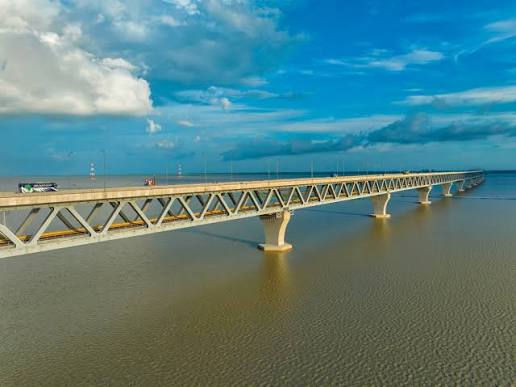
I want to highlight something that genuinely changed this entire route: the Padma Bridge. Before it opened, this journey involved a ferry crossing you’d have to stay in queues of buses , board a ferry across the Padma River, and then disembark on the other side. It added significant time and was honestly one of the more lengthy parts of the trip. Now, with the bridge open, the bus drives straight across, and the journey is faster and far more predictable. If you’ve read older travel blogs or heard from seniors who did this route years ago and they mention a ferry, that’s no longer the case and it’s a genuine improvement.
Arriving in Dhaka at Late Night, and the Last Stretch Home
Most buses from Benapole depart in the evening, which means you’ll typically arrive in Dhaka somewhere between midnight and 2 AM, at terminals like Arambagh or Kalyanpur depending on the operator. This is the one part of this route that requires a bit of mental preparation arriving in a new city at 1 AM after a full day of travel isn’t easy, but it’s completely normal for this route and thousands of students do it every now and then.
From Arambagh or Kalyanpur, I book an Uber to get to Marks Medical College’s hostel in Mirpur. Uber operates reliably in Dhaka even at that hour, and with luggage, it’s by far the easiest option with no negotiating with rickshaw drivers at 1 AM, no walking with bags and fear of safety issues. The fare is reasonable, and the drive to Mirpur takes maybe 30-40 minutes depending on which terminal you arrive at.
Route 1 Summary — Train + Petrapole Border + Bus
Best for: Budget travelers, students with moderate luggage, anyone comfortable with a long travel day
Total journey time: Roughly 24+ hours door-to-door depending on your starting city
Cost: The cheapest option by a significant margin — local train (₹20) + shared auto (₹50) + bus to Dhaka (varies by class)
Best part: Genuinely the most affordable way to do this journey
Toughest part: The late-night arrival in Dhaka and the overall length of the day
Route 2: The Faster Train Option With Ruposhi Bangla Express
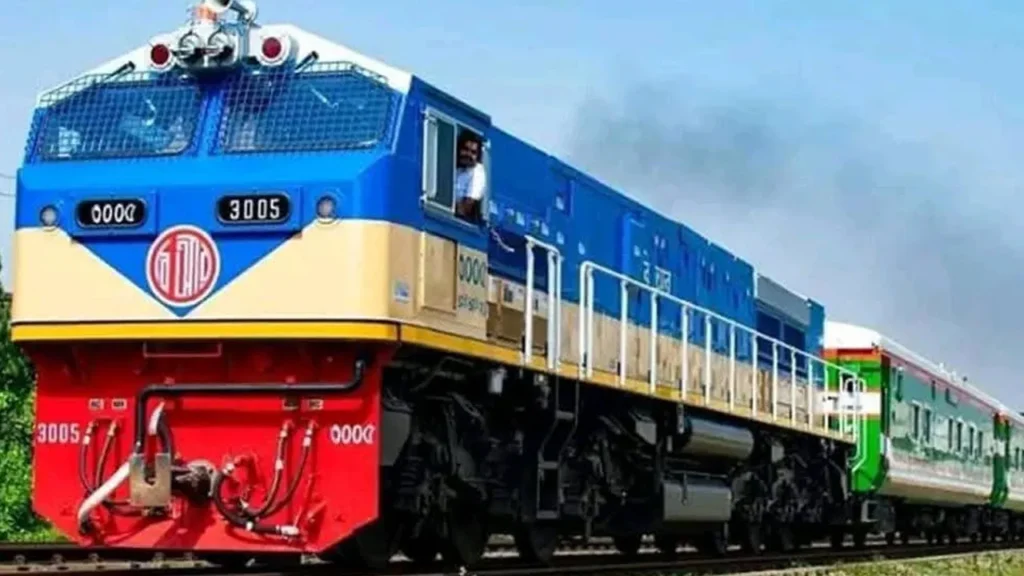
If you’d rather skip the long bus journey and don’t mind a bit of advance planning, there’s a genuinely good alternative: the Ruposhi Bangla Express. This train leaves from Benapole station the same town you’d pass through on Route 1 at around 3:30 PM, and reaches Dhaka by around 7:00 PM. That’s a 3-4 hour journey compared to the 4-5 hour bus ride, but with the comfort of a train and without the late-night arrival.
Here’s the catch, and it’s an important one: tickets for this train are often unavailable on short notice. The way to actually get a seat is to book through the Bangladesh Railway’s official app Rail Sheba about 2-3 days in advance.
The Foreigner Account Process for Rail Sheba
As a foreign national, you can’t just download Rail Sheba and book instantly you need to apply for a foreigner account first time using your passport, and this approval typically takes 3-4 days to process. This is the single biggest planning consideration for this route: if you want to use the Ruposhi Bangla Express, you need to set up your Rail Sheba foreigner account well before your travel date, and then book your specific ticket 2-3 days ahead once the account is active.
For students who travel back and forth regularly when going home for breaks and returning for the next semester — this is actually a one-time setup cost. Once your foreigner account is approved, you can use it for future bookings too, so the 3-4 day wait only really affects your very first booking.
Arriving at Kamalapur and Getting to Your College
This train brings you into Kamalapur Junction, Dhaka’s main railway station. From here, you have a couple of options to get to Mirpur. You can take an Uber or a CNG (the green auto-rickshaws that are everywhere in Dhaka) directly to your hostel is straightforward, especially if you’ve arrived in the evening with luggage.
Alternatively, and this is what I sometimes do if I want to save money and don’t have too much luggage — you can take a rickshaw to Motijheel and then catch the Dhaka Metro to Mirpur-10. I have to be honest about this option though: the metro at Mirpur-10 during peak times is extremely crowded. If you’re traveling with multiple bags, this option becomes genuinely difficult, and I’d only recommend it if you’re traveling light or arriving during off-peak hours.
Route 2 Summary — Ruposhi Bangla Express
Best for: Students who plan ahead and want to avoid the late-night Dhaka arrival
Total journey time: Significantly shorter than the bus — arrives by evening, not after midnight
Requirement: Rail Sheba foreigner account (3-4 days approval) + booking 2-3 days in advance
Best part: Comfortable, arrives at a reasonable hour, faster than the bus
Toughest part: Ticket availability and the advance planning required
Route 3: Direct Bus Service from Kolkata
If the idea of managing multiple separate legs of a journey, local train, shared auto, then again bus — sounds like too much, there’s a more streamlined option: direct bus services from Kolkata to Dhaka, like those run by Shyamoli Paribahan or Desh Travels or Shohagh
These services cost around ₹1,300 and work like this: you board an AC 2×2 bus in Kolkata, and it takes you all the way to the Petrapole border. After you cross immigration on both sides, another bus a sleeper class is waiting on the Bangladesh side to take you onward to Dhaka. The advantage here is continuity: you’re not figuring out separate transport at each stage, the operator has already arranged your onward connection, and you go from “in Kolkata” to “in Dhaka” with the border crossing as the only interruption.
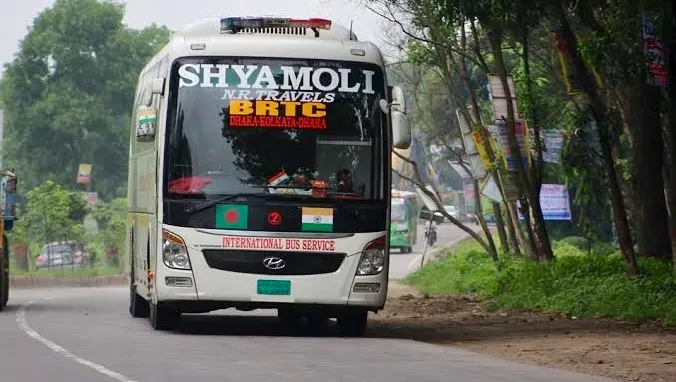
The one real drawback with this route is the Kolkata-to-Bangaon stretch itself — Kolkata’s traffic means this portion alone can take around 4 hours, even though the actual distance isn’t that long. So while the overall experience is more convenient because everything is pre-arranged, you should factor in that the first leg can be slow depending on when you depart.
Route 3 Summary — Direct Kolkata-Dhaka Bus (Shyamoli Paribahan)
Best for: Students who want one continuous, pre-arranged journey without managing multiple separate transfers
Cost: Around ₹1,300
Best part: Everything is pre-booked — onward bus is already waiting after the border
Toughest part: Kolkata-to-Bangaon traffic can take up to 4 hours on its own
Route 4: Taking a Flight – The Most Convenient, But Think About Your Luggage
And then there’s the obvious one: flying. Direct flights connect several Indian cities to Dhaka’s Hazrat Shahjalal International Airport, and there’s no question that this is the most convenient option in terms of time and comfort. A few hours in the air versus a full day of trains, autos, and buses — for many people, that’s the end of the discussion.
But here’s my honest take as a student who has actually done this move multiple times: if you’re traveling with a lot of luggage — and when you’re moving to start medical college, or coming back after a long break with stuff for the hostel, you probably are ,flight stops being the choice of travel . Airline baggage allowances are limited, excess baggage charges add up fast, and the cost difference between flying and the land routes becomes much larger once you factor that in.
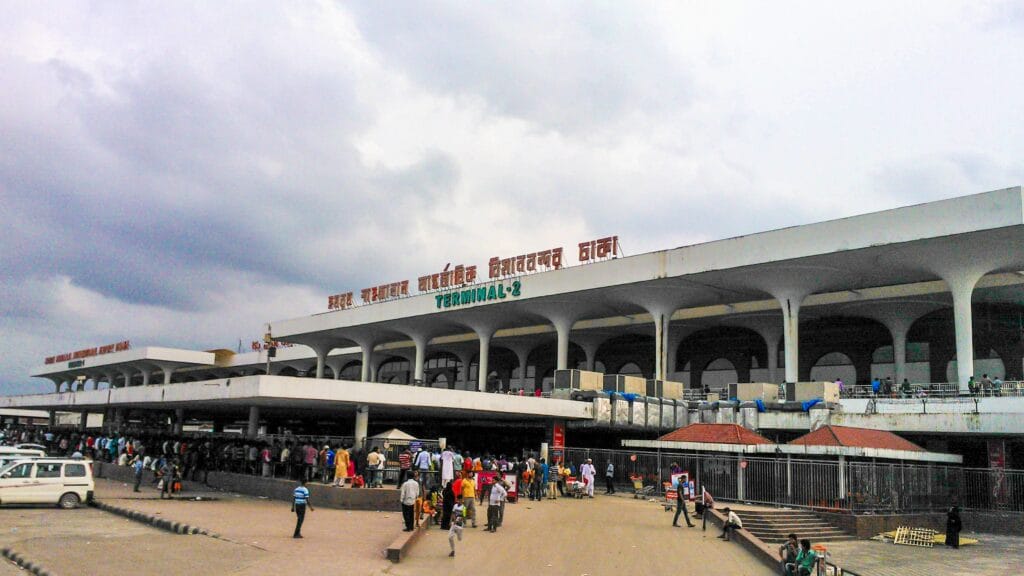
My honest recommendation: if you’re traveling light — a single bag, going home for a short break then only consider flight It’s worth the convenience. But if you’re making a big move with multiple suitcases, especially at the start of a new academic year when you’re bringing books, clothes for all seasons, and hostel essentials, one of the land routes will almost always work out cheaper overall, even accounting for the extra time and effort.
Route 4 Summary — Direct Flight
Best for: Light luggage, short trips, time-constrained travel
Best part: By far the fastest — a few hours instead of a full day
Toughest part: Baggage allowances and excess charges make this expensive for a full move with multiple bags
So Which Route Should You Choose?
Having done this journey enough times now, here’s how I’d actually break it down for someone in your position:
If this is your first time traveling for admission with a lot of luggage and you want to minimize cost, the train-to-Kolkata-plus-Petrapole-border-plus-bus route (Route 1) is what most students end up doing, including me, most of the time. Yes, it’s a long day, and yes, you’ll likely arrive in Dhaka late at night — but it is genuinely the cheapest way to move a lot of belongings, and once you’ve done it once, it stops feeling intimidating.
If you’re going home for a shorter break and don’t want to deal with a late-night arrival, and you’re willing to plan a few days ahead for the Rail Sheba account, the Ruposhi Bangla Express (Route 2) is a much more comfortable experience for roughly the same effort as Route 1, just with better timing.
If you’d rather pay a bit more for convenience and not deal with multiple separate transport bookings, the direct Kolkata-Dhaka bus services (Route 3) give you a single, continuous journey with the border crossing and gives you a helper with your luggage handled as part of the package.
And if you’re traveling light a quick trip home, or you’ve already moved most of your things and just need to get back for the semester — flying (Route 4) is genuinely the best use of your time, even if it costs a bit more.
One last thing, these are all the routes I personally know work, because I’ve used them. There are other border crossings (Akhaura-Agartala, Burimari-Changrabandha, Tamabil-Dawki and others) that students from different parts of India use depending on which is closer to home, each with their own version of this same train-plus-bus pattern. If your home state has a different nearest border, the same general logic applies, get to the border town, cross, and take onward transport to your college city.
Frequently Asked Questions
Is the Maitree Express running between Kolkata and Dhaka in 2026?
No. The Maitree Express, along with the Bandhan Express (Kolkata-Khulna) and Mitali Express (New Jalpaiguri-Dhaka), has been suspended since mid-2024 due to the political situation in Bangladesh, and there is currently no confirmed date for resumption. Until it resumes, the routes described in this article — via the Petrapole-Benapole land border or by air — are the practical options.
What is the cheapest way to travel from India to Bangladesh for MBBS?
Taking a train to Kolkata (Howrah/Sealdah), then a local train to Bangaon (around ₹20), a shared auto to the Petrapole border (around ₹50), crossing into Benapole, and taking a bus onward to Dhaka is the most economical option by a significant margin. This is the route most students use when traveling with luggage.
How long does the journey from Kolkata to Dhaka take by land?
By bus via the Petrapole-Benapole border takes 4-5 hours to reach border, immigration depending upon crowd takes approx 40 minutes to 3 hours then the bus from Benapole to Dhaka takes around 4-5 hours, depending on traffic, and the Padma Bridge has made this significantly faster than before since it removed the old ferry crossing. By the Ruposhi Bangla Express train from Bangaon, the journey is faster with around 3-4 hours from Benapole junction to Kamalapur, Dhaka but requires booking through the Rail Sheba app.
Do I need a special account to book Bangladesh Railway tickets as an Indian student?
Yes. To book tickets on Bangladesh Railway’s Rail Sheba app as a foreign national, you need to apply for a foreigner account using your passport. This approval process typically takes 3-4 days. Once approved, the account can be used for future bookings, so it’s worth setting up well before your first planned train journey, especially if you intend to use the Ruposhi Bangla Express regularly.
Is flying or taking the land route better for moving to Bangladesh for college?
It depends primarily on luggage. Flight is faster and more comfortable, but baggage allowances and excess charges can make it expensive if you’re traveling with multiple suitcases, which is common when first moving for college or returning after holidays. For students traveling with significant luggage, the land routes via the Petrapole-Benapole border are usually more cost-effective overall, despite taking longer. For lighter trips, flight is the better choice.
Has the Padma Bridge changed the bus route from the border to Dhaka?
Yes, significantly. Before the Padma Bridge opened, buses traveling from Benapole to Dhaka had to use a ferry crossing over the Padma River, which added considerable time and unpredictability to the journey. Now, buses drive straight across the bridge, making the journey faster and far more reliable. This is one of the biggest practical improvements to this travel route in recent years.

